What Are Buyers Really Paying Attention to Right Now?
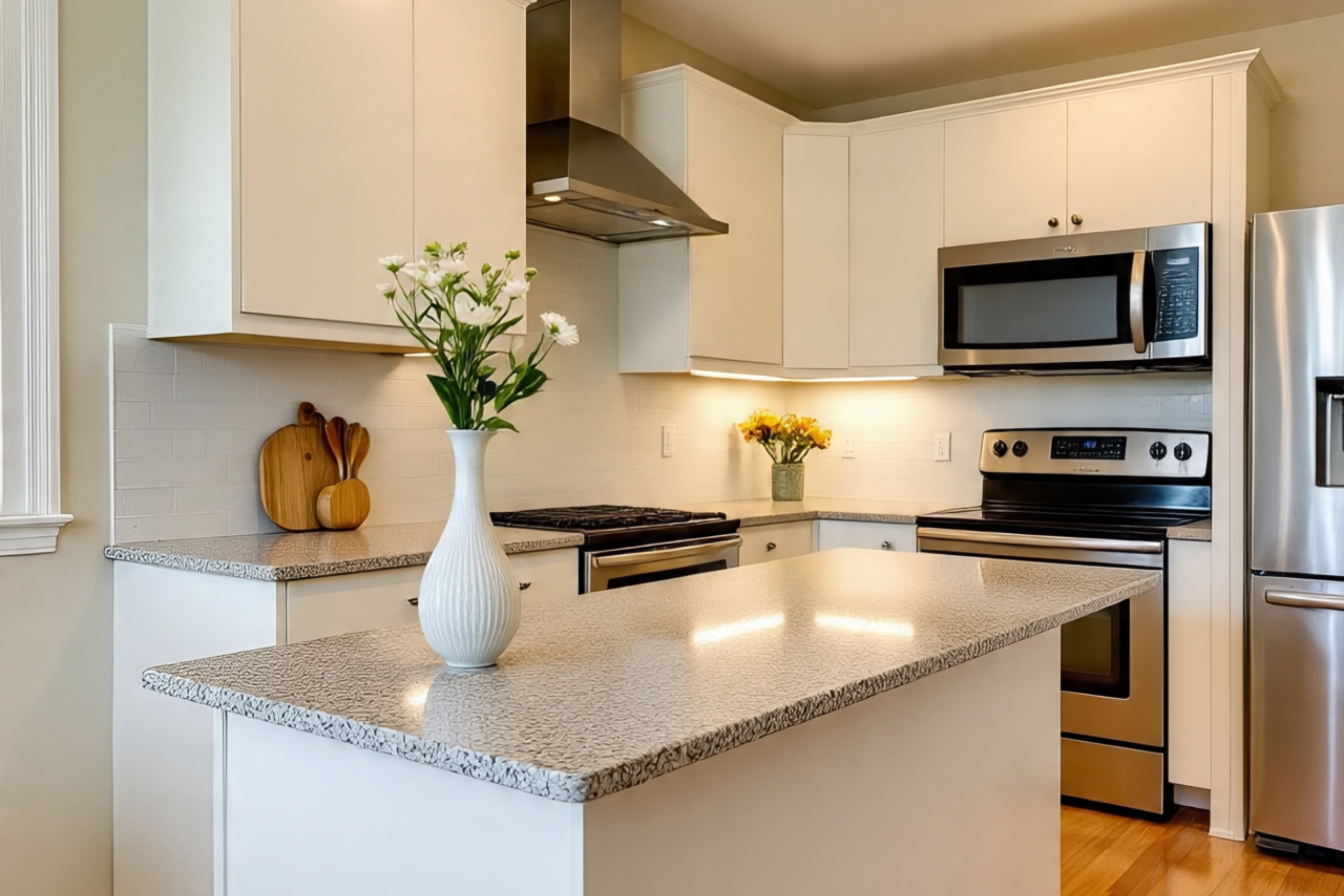
Understanding how buyers think — especially during the July/August peak — so you can prioritize strategically without overspending.
One of the most misunderstood parts of the selling process is how buyers actually make decisions. Every homeowner has assumptions about what buyers “care about,” but in reality, those assumptions don’t always line up with what I see in the field every day. The disconnect becomes especially clear in the July and August market, which is one of the most honest, revealing seasons for buyer behavior.
Summer buyers are decisive. They’re motivated. They’re comparing homes quickly and acting fast when something aligns with what they’re looking for. And while they may browse casually during spring or fall, July and August buyers have a different energy: they want to act before their fall schedules begin, before interest rate changes, or before another buyer snaps up the home they’ve been quietly watching.
Because their mindset is more focused, their preferences become clearer. What they react to is incredibly consistent… yet often surprising. The gap between what sellers expect and what buyers actually prioritize can cause homeowners to spend time and money on things that barely move the needle, while overlooking simple adjustments that make a dramatic difference.
This guide breaks down — in a realistic, practical way — what today’s buyers pay attention to the most, how their behavior shifts in July and August, and how you can present your home in a way that captures attention without unnecessary prep fees or stress.
The Summer Buyer Mindset: More Emotion, Faster Decisions
July and August buyers think differently from early-spring or late-fall buyers. They’re not imagining themselves moving “sometime this year.” They’re imagining themselves living in the home soon — sometimes within weeks. Their decisions are driven by lifestyle, timing, and how the home feels when they walk through it.
They pay more attention to livability than they do to design trends.
They focus more on the flow of the home than the age of the fixtures.
They react more to natural light, openness, and layout than they do to paint color or backsplash choices.
When buyers walk into a home during summer, they’re assessing whether they can comfortably step into their routines without needing major work. This doesn’t mean they expect perfection — far from it. It means they’re using a very practical lens. They’re trying to understand what their life will look like immediately after closing.
If the home feels functional, bright, and well-cared-for, buyers are far more forgiving of cosmetic imperfections than most sellers expect.
Condition Matters — but Not in the Way Most Sellers Think
A well-maintained home always makes a strong impression, but that doesn’t mean it needs to be updated. There’s a major difference between condition and trendiness — and buyers overwhelmingly prioritize the former.
What really captures buyer attention is whether the home feels clean, orderly, and cared for. They’re looking for signs that the owner has handled routine upkeep and has treated the home with respect. Small details like tidy closets, clean floors, clear surfaces, and a home that feels thoughtfully maintained go much further than installing new fixtures or repainting rooms just for show.
This is why unnecessary upgrades so often fail to produce a meaningful return. Buyers can instantly recognize when a home has been tended to, and that impression carries more weight than any one cosmetic feature. If the home feels like it’s been valued, buyers immediately trust that it’s been well-managed overall.
That sense of trust is what creates momentum — not brand-new finishes.
Layout and Flow Influence Decisions More Than Décor
Buyers may tell themselves they're evaluating finishes, décor, and style, but their actual behavior points to something more fundamental: flow.
They react strongly to whether the spaces feel connected, open, and intuitive.
They notice if the kitchen feels too tight, the living room feels boxed in, or the overall floorplan doesn’t make sense.
And they respond positively when rooms feel open, balanced, and easy to navigate.
This matters even more during the summer market because buyers are imagining active routines — people moving through the kitchen, guests gathering in living areas, and the natural rhythm of daily life. When the layout supports that vision, buyers overlook older flooring, dated cabinets, or finishes that are a bit behind current trends.
Flow sells homes.
Finishes support the sale — but they don’t drive it.
This is where strategic presentation makes a difference. Minor adjustments in furniture placement, lighting, and spacing can reshape how buyers experience the layout without spending anything significant.
Light and Livability Carry More Weight Than Cosmetic Updates
If there’s one factor that shapes a buyer’s emotional response more than anything else, it’s light. Buyers may not articulate it, but they react instantly to how bright or dim a home feels.
In July and August, when sunlight is abundant and showings happen later into the day, buyers become even more sensitive to natural light. A home with open blinds, simple window treatments, and clear sight lines feels significantly more inviting, even if other features are dated.
This is why simple adjustments — opening blinds, thinning out heavy curtains, adding brighter bulbs in darker rooms — often make a home feel larger and more welcoming instantly. You’re not changing the structure. You’re changing the feel. And in the summer market, feel is everything.
Buyers imagine morning light in the kitchen, evening light in the living room, and soft light during gatherings. When the home supports those images, they see potential more clearly, and that emotional connection drives their decision-making.
Practicality and Everyday Function Matter More Than Decorations
Summer buyers also pay close attention to functionality. They care about how they’ll live day-to-day once they move in — where they’ll store things, how they’ll handle laundry, how closets are organized, and how practical the home will feel once their routines begin.
This explains why storage often becomes a quiet deal-maker or deal-breaker. Buyers want to know where everything will go, how clean their transitions will feel, and whether everyday tasks will be smooth or stressful.
What’s important to understand is that buyers don’t expect luxury-level storage solutions. They simply want the home to show that it can handle real life — without feeling cramped or cluttered. When storage looks intentional rather than overwhelmed, buyers feel confident that the home will fit their needs.
Outdoor Space Plays a Bigger Role Than Sellers Expect
During July and August, buyers think about how they’ll use outdoor areas immediately. They imagine coffee on the deck, kids or guests in the yard, summer grilling, or quiet mornings outside. They’re not expecting a magazine-ready landscape — they’re looking for inviting, usable space.
A clean patio, trimmed lawn, or simple seating area often does more than any elaborate upgrade. Outdoors doesn’t need to be perfect; it needs to feel available and enjoyable.
This mindset helps sellers avoid a major trap: overspending on landscaping, hardscaping, or exterior upgrades that buyers aren’t looking for. Buyers want possibility, not perfection. They want a space they can grow into, not one that feels intimidating or expensive to maintain.
Price Alignment Shapes Buyer Behavior More Than Any Feature
The one factor that influences buyer attention more than any other — especially in summer — is whether the price aligns with what they see and feel.
Buyers compare your home to every other option in their price range. They look at photos, layouts, and updates and measure them against their expectations. When the home is positioned correctly, everything feels cohesive: the price, the condition, and the value narrative work together.
When the price is stretched too far — even slightly — buyers don’t interpret it as “negotiable.” They interpret it as “not the right fit.” That hesitation reduces showings, lowers emotional engagement, and decreases urgency.
This is why I focus so heavily on aligned pricing — not aggressive, not conservative, but strategic. When buyers see a home that matches their expectations for the category, they react faster, tour sooner, and make stronger decisions.
Price doesn’t just influence value.
It influences momentum.
The Biggest Seller Advantage: Understanding What Actually Matters
Once sellers understand how buyers think — especially during July and August — the entire process becomes easier. You stop overspending. You stop worrying about trends that don’t matter. You stop guessing what buyers might care about and start focusing on what they actually respond to when they walk through the door.
A clean, well-cared-for home with strong light, functional flow, simple presentation, and aligned pricing attracts more attention than any single upgrade ever could.
And because I watch buyer behavior daily — online, during showings, and through offer patterns — I can guide you on what’s worth your time and what isn’t. You don’t have to guess. You don’t have to overprepare. You simply need the right strategy, grounded in real buyer insight.
Here to Help!
If you want help preparing your home for the summer market — or if you’re curious which updates matter and which ones you can skip — I’d be happy to walk you through it. No pressure, no obligation. Just clear, honest guidance based on what buyers are actually focusing on right now.
— Mike Sutley
Team Lead & Listing Specialist
Lexy Realty Group
Lexy Realty Group
Lexy Realty Group provides data-driven guidance and strategic listing support for homeowners throughout Atlantic and Cape May County. Our goal: help you prepare confidently, price strategically, and sell from a position of strength.