Ordinance 2601 and Ocean City Flood Rules: What the Planning Board Reviewed
Ocean City’s Planning Board reviewed Ordinance 2601 and determined it was substantially consistent with the city’s master plan, according to a report that frames the ordinance as tied to resiliency and landscape regulations. The same report says the ordinance was scheduled for a second reading and public hearing before City Council in February.
If you’ve been trying to follow flood-related rule changes, the important point is that this is not described as a minor tweak. The discussion cited in the report centers on how zoning flood elevation is defined and how multiple standards can interact.
What Ordinance 2601 is described as doing
The report states that Ordinance 2601 revises the definition of zoning flood elevation in response to New Jersey’s Resilience and Landscape (REAL) Rules. It also describes the ordinance as primarily focused on residential uses, with commercial issues expected to be addressed later.
Local voice (paraphrase): According to Patch, the Planning Board discussion emphasized the complexity of navigating overlapping elevation standards and how the “highest elevation requirement” typically applies.
Why flood-elevation definitions matter in practice
Even without adding new local facts beyond the packet, it’s worth clarifying why a definition change can be consequential:
“Starting point” elevations can affect how high a structure must be built or substantially improved.
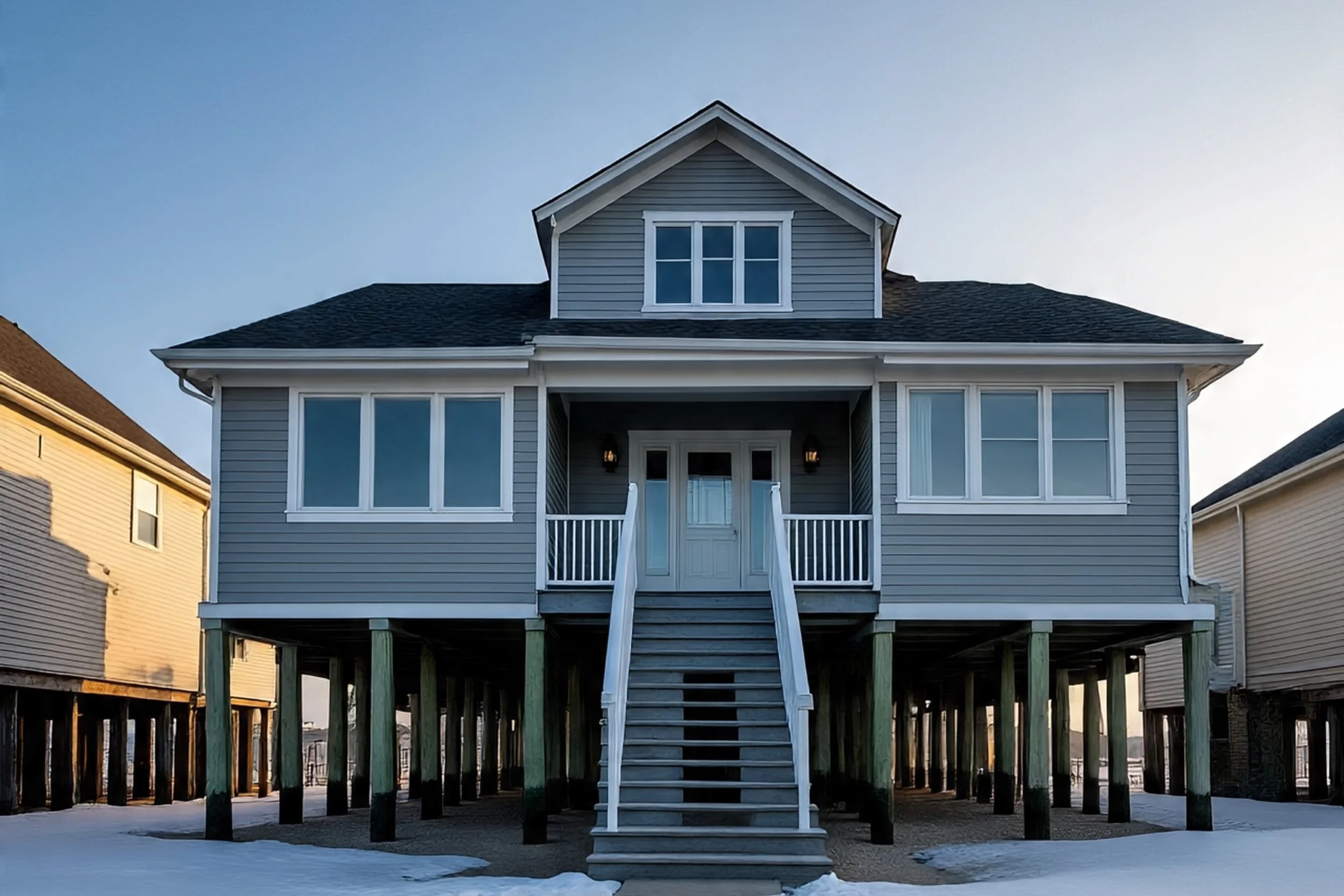
Elevation changes can cascade into design decisions that touch stairs, storage, parking under buildings, and building massing.
Setback and height rules can become more complicated when the “effective” elevation target changes.
The report notes that board discussion included potential effects on future construction, including impacts to vertical space and setbacks, and it references post-Sandy ordinances intended to maintain vertical space.
Residential focus now, commercial later
One of the more specific boundary lines in the report is that this ordinance mainly impacts residential zones, and that additional discussion is anticipated for commercial properties. If you own, manage, or plan projects tied to commercial corridors, that “later” bucket is something to watch, because it implies the city expects a second phase or follow-on work beyond the residential framework.
The “more space under buildings” point
The report also states that the new standards may push elevation starting points higher and could create more space under buildings. That’s a real-world change people tend to notice because it can alter how a home “sits” relative to grade, and how under-building areas are treated.
What the city ultimately allows or restricts in those spaces is where most confusion tends to happen, which is why the second reading/public hearing matters: that’s where clarifications, amendments, or objections usually surface.
Master plan consistency and what it signals
The Planning Board’s role here is described as checking consistency with the master plan, including goals tied to public health, safety, and welfare, and how regulations coordinate to influence land development. A finding of “substantially consistent” doesn’t mean there won’t be debate; it means the ordinance was not seen as conflicting with the city’s planning framework at a high level.
What to watch for next
Given what’s in the packet, the next practical milestones are:
The City Council second reading and public hearing (described as scheduled in February)
Any published clarifications about residential vs. commercial scope
Any guidance that explains how FEMA standards and Uniform Construction Code standards will be applied together in Ocean City’s workflow
Micro-FAQ
Is this already final?
No. The report describes a Planning Board review and says a second reading and public hearing before City Council were scheduled for February.
Does it affect commercial properties?
The report says the ordinance is primarily focused on residential uses and that commercial issues are expected to be addressed later.
Why are multiple standards mentioned?
The report describes discussion about navigating FEMA requirements and Uniform Construction Code standards, with the “highest elevation requirement” typically applying.
Sources: Patch