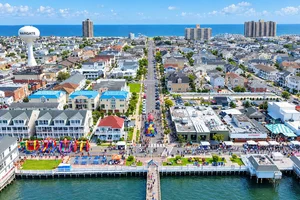
Margate is preparing for a significant roadway and streetscape transformation along Washington Avenue, a four-block stretch near Amherst Avenue that has been the focus of debate, public comment, and recent survey work by the city’s Citizen Advisory Committee. The proposed redesign includes converting part of Washington Avenue from two-way traffic to one-way, adding a dedicated bike lane, widening sidewalks, installing decorative lighting, and upgrading drainage infrastructure. The project, estimated at $3.8 million, has moved forward with a construction contract awarded to L. Feriozzi Concrete in October, according to reported city documents and commission updates
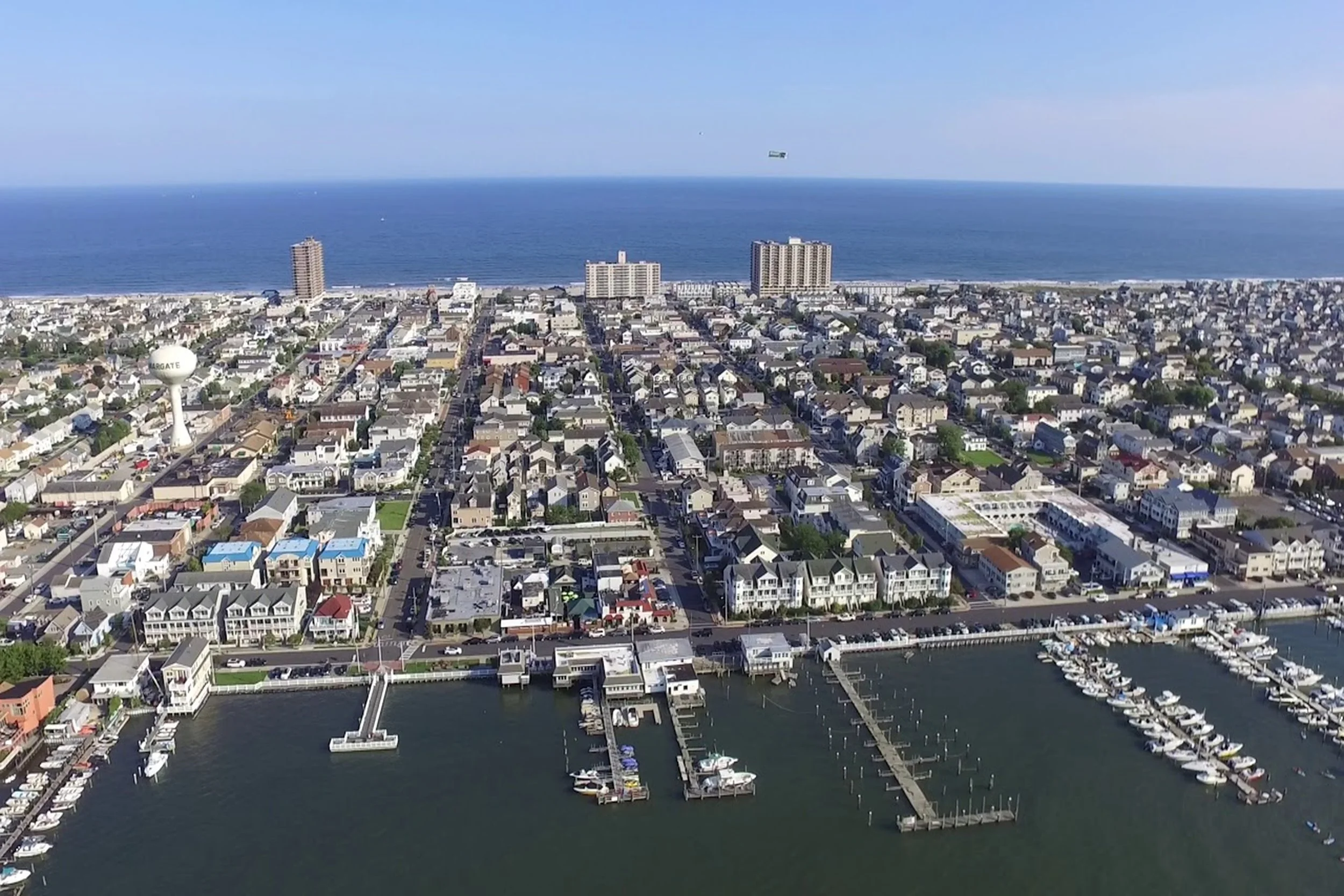
The redesign is one of the largest street-level investments Margate has pursued in recent years, and its location—connecting Ventnor Avenue to the bayfront near Amherst—positions it as a potentially high-impact project for residents, businesses, and second homeowners who rely on this corridor for daily movement around town.
A Project Rooted in the City’s Master Plan
City officials have stated that the Washington Avenue makeover aligns with long-term goals identified in Margate’s Master Plan, which emphasizes improved walkability, safer cycling routes, and better connectivity between the business district and the bayfront. The plan’s ambitions include addressing long-standing concerns related to flooding, narrow sidewalks, vehicle congestion, and pedestrian safety.
The new design is intended to calm traffic, reduce confusion at key intersections, and support a more comfortable pedestrian experience. These benefits, according to city leaders, justify the shift from two-way to one-way traffic.
Community Feedback from the Citizen Advisory Committee
At the November 16 commission meeting, Citizen Advisory Committee member Steve Altman shared results from speaking with roughly 200 residents and business owners. According to this informal survey:
About half supported the proposed improvements.
Around 30% were strongly opposed.
The remainder were neutral, undecided, or unaware of the plan.
Survey respondents who opposed the redesign pointed to concerns such as:
Reduced access to businesses, including Tomatoe’s Restauran
Potential congestion due to one-way routing
Traffic flow changes during peak summer periods
Confusion for visitors unfamiliar with new patterns
These concerns specifically center on the stretch of Washington Avenue between Atlantic and Amherst Avenues, where high seasonal traffic and narrow right-of-ways are typical.
Why the Streetscape Project Matters
For many residents, the redesign has become a flashpoint because Washington Avenue serves as a key connector to popular bayfront destinations, restaurants, and the municipal marina area. The shift to one-way traffic is the most debated element and has sparked conversation about how visitors, delivery drivers, and even emergency vehicles will adapt.
A paraphrased detail from recent reporting noted that some condo residents worry the one-way circulation will “hurt access to businesses like Tomatoe’s” and complicate overall traffic patterns during summer months.
The project’s supporters, however, believe that:
Better sidewalks will improve safety.
Bike lanes will support more sustainable transportation.
Decorative lighting and drainage upgrades will enhance aesthetics and resiliency.
The long-term plan aligns with broader regional shifts toward safer multimodal streets.
How Construction Will Unfold
The city awarded the construction contract to L. Feriozzi Concrete for approximately $3.8 million. The funding includes support from a state transportation grant, which helps offset local taxpayer burden. Work is scheduled to begin this winter, which is typical for major Downbeach infrastructure upgrades due to lower seasonal population and reduced traffic.
Residents who travel through the corridor between Amherst Avenue and Ventnor Avenue should anticipate:
Temporary lane closures
Redirection of vehicle traffic
Noise and equipment staging
Sidewalk detours
Cycling restrictions
Weekend limitations during peak construction phases
Because the work occurs near the bayfront and several popular restaurants, access may fluctuate throughout the winter months.
Agent Insight on Traffic, Access, and Neighborhood Change
As a local agent, I’ve seen how roadway and streetscape changes influence neighborhoods, especially in compact towns like Margate. Projects that alter traffic flow, improve walkability, or redesign public corridors often shift how buyers and residents perceive certain blocks. In this case, Washington Avenue’s redesign may eventually make the area more attractive for pedestrians and diners once the dust settles.— Mike Sutley, Team Leader at Lexy Realty Group
Long-Term Impact on Margate’s Built Environment
The Washington Avenue project highlights an ongoing trend within Margate and nearby Shore towns: modernizing infrastructure to support long-term resilience and safer mobility. While the streetscape redesign has faced public skepticism, many similar projects—such as Atlantic Avenue improvements in Ventnor and lighting upgrades in Longport—have yielded positive long-term outcomes.
Margate officials have emphasized that the new configuration will not only beautify a high-traffic corridor but also support the city’s broader goals: improved pedestrian comfort, greater storm-water management capacity, and stronger alignment with state and federal safety standards.
Why It Matters
Even though the project centers on traffic and streetscape improvements, its ripple effects extend into daily life for residents and second homeowners. Better lighting, wider sidewalks, and improved flow to Amherst Avenue will likely make the area more navigable for families, cyclists, and visitors.
With Washington Avenue acting as a major connector between Margate’s central business district and the bayfront, the redesign represents a meaningful long-term investment into the city’s infrastructure and public realm.
Micro-FAQ
When does construction start?
Work is scheduled for the winter season, when traffic is lighter.
Will the entire roadway become one-way?
Only the designated segment near Amherst Avenue will convert from two-way to one-way.
Will businesses remain accessible?
Yes, but temporary detours and lane shifts are possible during construction phases.
Sources:
Margate Commission; Citizen Advisory Committee; Downbeach reporting.