Margate’s Washington Avenue Corridor Project: Infrastructure Design and Traffic Impact
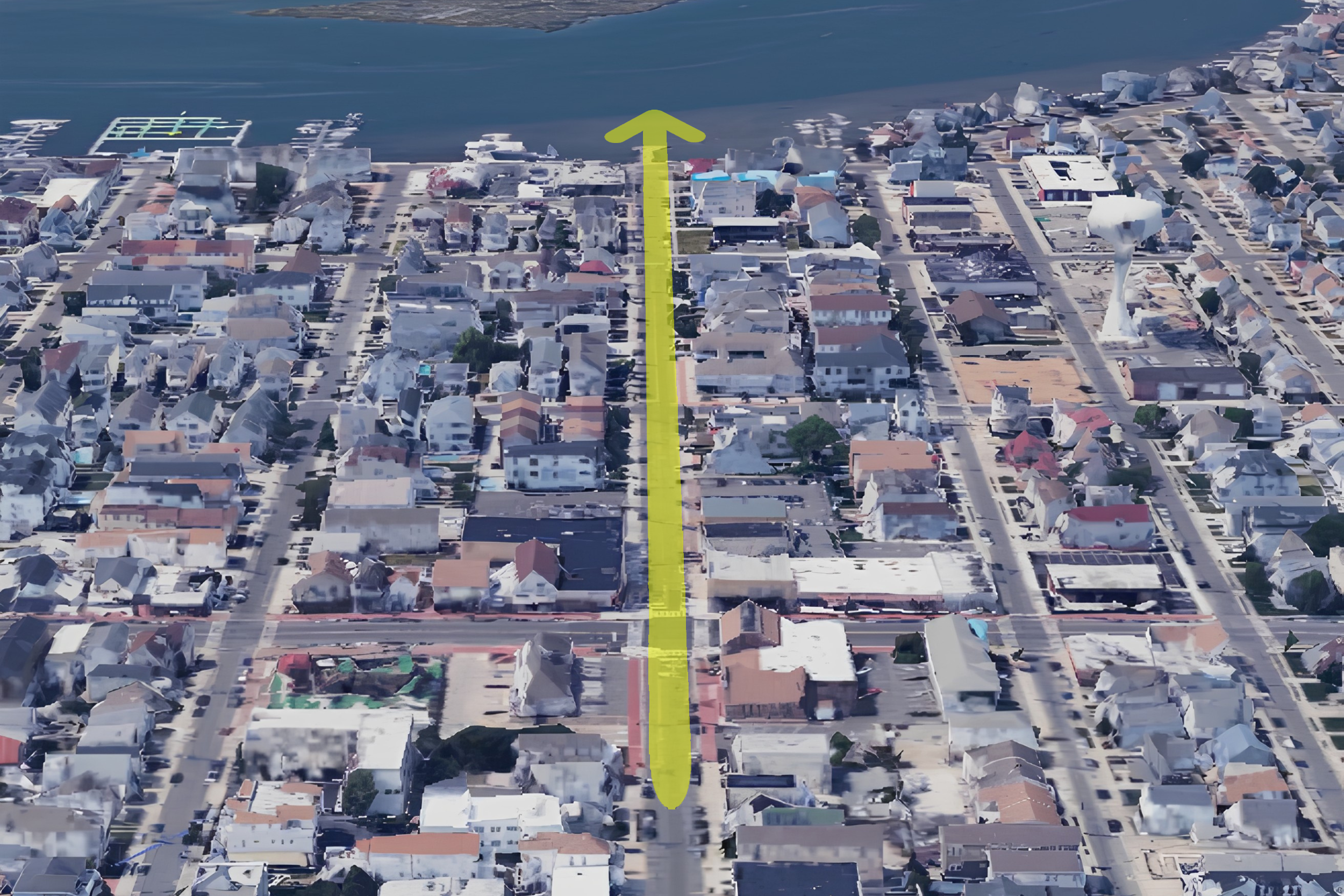
Margate's Washington Avenue Corridor Project, a $3.5 million infrastructure modernization initiative, continues to serve as a prominent topic of community discussion following its recent design updates. Spanning a critical urban link on the island, the streetscape redevelopment is explicitly engineered to connect the Ventnor Avenue Central Business District with the growing Amherst Avenue Waterfront Special District.
While municipal planners and engineers highlight the long-term structural and pedestrian benefits of the modernization, the project has triggered a robust local debate regarding localized traffic patterns, merchant accessibility, and the nature of public communication during major civil works.
The Technical Design Metrics of the Streetscape Redesign
The Washington Avenue Corridor Project introduces a complete physical overhaul of the existing roadway and pedestrian environment. The engineering plans feature several distinct urban design upgrades aimed at transforming the look and utility of the corridor:
Directional Traffic Shift: The project converts the primary, historically two-way stretch of Washington Avenue into a continuous westbound one-way street, redirecting the flow of vehicular traffic directly from the beach side toward the bay side.
Pedestrian Safety Infrastructure: Intersections along the corridor have been updated with custom brick paver "bump-outs". These structural extensions are explicitly designed to enhance pedestrian safety by shortening the physical crossing distance for walkers from an un-managed 38 feet down to 24 feet, representing a 36.8% reduction in traffic exposure.
Bicycle Network Expansion: A green-painted, protected bicycle lane has been constructed along the north side of the street, segregating non-motorized transport from standard vehicle lanes to establish a safer cycling corridor.
Aesthetic and Environmental Additions: The streetscape installation incorporates 44 decorative streetlights to improve commercial evening visibility, alongside the planting of 47 Honey Locust trees to develop an active arboreal canopy that provides seasonal environmental shade.
Sidewalk Upgrades: The walking paths along the corridor have been expanded with premium brick paver sidewalks to encourage foot traffic between the central business and waterfront districts.
Financing Framework and Local Merchant Concerns
Funding for this multi-million-dollar corridor overhaul relies on a blended public financing model. The city successfully secured $1.66 million through a combination of New Jersey Department of Transportation (NJ DOT) and federal grants. This substantial intergovernmental allocation directly mitigates the immediate financial burden on local taxpayers, with the remaining capital balance funded through Margate’s municipal capital reserves.
Despite the influx of grant funding, the physical transition to a one-way traffic pattern has generated significant pushback from local business owners and nearby property owners. Municipal planners relied extensively on peak summer traffic data to justify the westbound one-way pattern, arguing it optimizes safety and vehicle flow during the busy resort months.
However, critics maintain that the traffic switch will permanently divert heavy commercial vehicles and delivery trucks off the main corridor and onto narrow, residential side streets. Local merchants have voiced clear concerns that the layout will eliminate highly utilized parking spaces and disrupt customer access to storefronts along Washington Avenue.
Furthermore, many residents have expressed frustration over a perceived lack of timely public notice and direct community involvement before the final design phases were approved. Business administrators have continued to host targeted informational workshops at Historic City Hall to address these local design concerns and review traffic adjustments. However, the lack of remote digital video participation for these workshops remains an ongoing point of resident frustration.
Real Estate Insight: Navigating Infrastructure Changes
Major municipal streetscape redevelopments inevitably alter the immediate real estate dynamics of a neighborhood. For homeowners along Washington Avenue and its intersecting residential blocks, the reduction in pedestrian crossing distances and the addition of protected bike lanes improve local walkability, which is a highly valued metric in Downbeach property markets.
Conversely, changes in vehicular traffic flow and the diversion of commercial traffic require careful monitoring by local investors. Properties sitting on the newly established one-way corridor may experience quieter street conditions, while adjacent side streets could experience minor shifts in vehicular volume. Understanding how these infrastructure projects impact street accessibility is key when evaluating long-term rental appeal and residential property desirability.
Why It Matters
“On the barrier islands, location drives everything. The right street can make all the difference,” said Mike Sutley, Team Leader at Lexy Realty Group. Capital investments like the Washington Avenue project show that Margate remains committed to modernizing its commercial infrastructure and improving pedestrian connections. While traffic pattern adjustments require a period of local adaptation, the long-term addition of decorative lighting, structural safety features, and green canopies enhances the overall commercial viability of the district.
Curious how the Washington Avenue traffic redesign or nearby parking changes might impact your Margate home’s value or summer rental logistics? Let's connect. You can call me directly, send a quick message, or visit my contact page to talk through the local market dynamics.
Micro-FAQ: Washington Avenue Corridor Project
Why was Washington Avenue changed to a one-way street?
Municipal engineers and planners utilized summer traffic data to transition the roadway into a westbound one-way street to improve vehicle management and connect the Ventnor Avenue business district with the Amherst Avenue waterfront.
How do the intersection bump-outs improve safety along the corridor?
The brick paver bump-outs physically shorten the pedestrian crossing distance from 38 feet to 24 feet, significantly reducing the time walkers are exposed to vehicular traffic.
Where are the public workshops regarding the project hosted?
The city hosts administrative workshops to address ongoing concerns and design details in person at Historic City Hall.
Sources: Margate City Capital Outlay Records; New Jersey Department of Transportation Grant filings