Margate Raises Concerns Over Back-Bay Dredging and Beach Replenishment
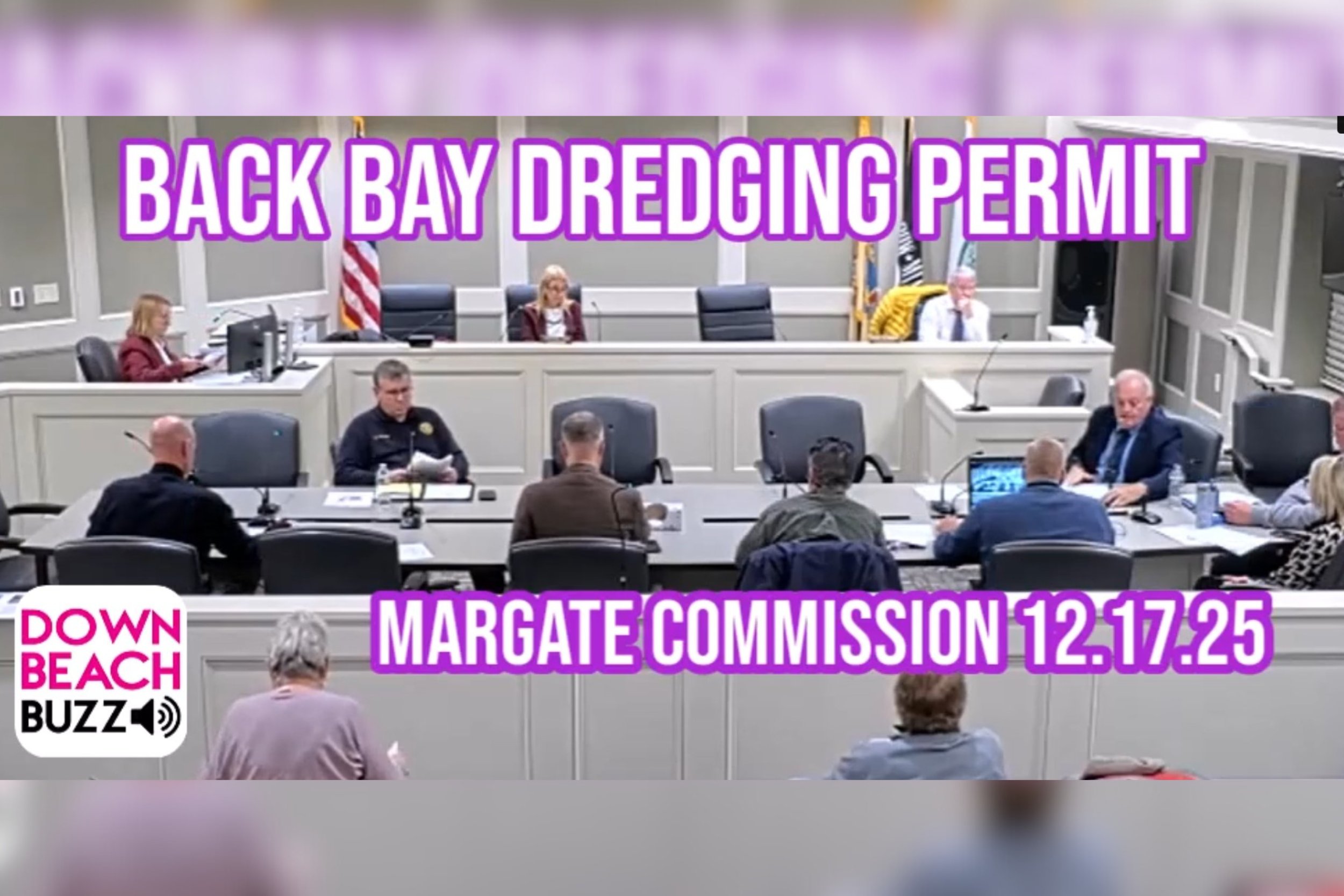
Margate officials are pressing state and federal agencies to address what they describe as a growing unintended consequence of long-running beach replenishment projects: accelerated silting in the city’s back-bay lagoons. At a recent Margate Commission meeting, city leaders argued that sand placed on ocean beaches does not always stay put—eventually migrating into inlets and calm back-bay waters.
The issue has sparked renewed debate over who should bear the cost of dredging and whether back-bay maintenance should be considered part of coastal storm management.
How Beach Replenishment Can Affect Back Bays
According to comments made during the meeting, sand pumped onto Margate’s beaches—particularly the finer material used for dune building—can move southward over time. During storm events, that sand may wash into inlets and then settle in nearby lagoons and canals, where calmer water allows sediment to accumulate.
Margate officials described the result as faster-than-normal shoaling, reducing navigability in residential lagoons and forcing dredging projects to occur more frequently than would otherwise be required.
City Officials Call It an Unfunded Mandate
Margate Solicitor John Scott Abbott characterized the situation as an “unfunded mandate,” arguing that if federally managed beach projects contribute to bay silting, then government agencies should help fund the dredging required to restore waterways.
He pointed to the Army Corps of Engineers’ long-term beachfill program, launched decades ago, as a contributing factor to ongoing sediment buildup. While the program has helped protect oceanfront properties, city officials say the downstream effects on bayside neighborhoods cannot be ignored.
Permits and Planning Already in Motion
Margate currently has permits in progress for a city-wide dredging initiative, but officials noted that securing disposal sites and funding remains challenging. Mayor Michael Collins added that maintaining navigable lagoons is not just a convenience issue—it affects safety, emergency access, and overall use of waterfront properties.
City leaders are now pushing for broader recognition that bay dredging should be considered part of comprehensive coastal management, rather than a standalone local responsibility.
Why This Matters for Margate’s Waterfront Areas
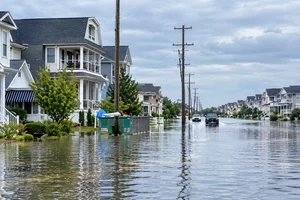
Back-bay lagoons are a defining feature of Margate, supporting boating access, recreation, and neighborhood connectivity. When channels become shallow, homeowners face limited access, increased maintenance costs, and safety concerns during emergencies.
From a planning perspective, officials argue that beach protection and bay maintenance are interconnected systems. Addressing one without accounting for the other can shift costs and impacts onto local municipalities and residents.
What Happens Next?
Margate plans to continue advocating for shared funding responsibility while advancing its own dredging permits. Discussions with state and federal partners are expected to continue as future beach replenishment cycles are planned.
Residents can expect updates through commission meetings as negotiations and permitting move forward.
Common Questions
Is dredging guaranteed to happen?
Permits are underway, but final timing depends on funding and disposal logistics.
Does this stop future beach replenishment?
No. Officials are seeking coordination, not cancellation, of beach projects.
Will residents be assessed for dredging costs?
Funding mechanisms have not been finalized and remain under discussion.
Sources: Margate City Commission; Downbeach BUZZ