Ventnor Reviews Building Height Rules Ahead of New Flood Standards

Ventnor officials are preparing for major changes to local construction rules as New Jersey’s Protecting Against Climate Threats (PACT) regulations near final approval in early 2026. The proposed state standards would significantly raise Base Flood Elevation (BFE) requirements, reshaping how new homes and substantial renovations are designed across the island.
During a recent Ventnor Commission meeting, city leaders discussed how these statewide rules could interact with Ventnor’s existing zoning framework, and why local adjustments may be necessary to avoid unintended consequences for homeowners and builders.
What the New Base Flood Elevation Rules Would Change
Under the pending PACT regulations, official Base Flood Elevation levels could rise by approximately four to five feet in many coastal areas. Because building height is measured from BFE upward, this change would effectively allow structures to reach much taller overall heights, even if local zoning rules remain unchanged.
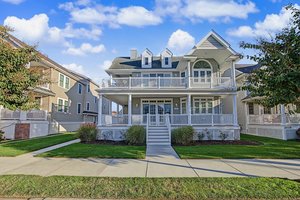
In Ventnor, Commissioner Lance Landgraf cautioned that homes built to the new standards could reach heights approaching 55 feet above grade. While higher elevation improves flood resilience, it also introduces practical and safety concerns, particularly on smaller Downbeach lots.
Why Lot Size and Fire Access Matter
Ventnor’s typical lot dimensions are more constrained than in many mainland communities. Elevating homes several additional feet often requires longer stairways, extended ramps, and more vertical mass, all of which consume usable lot space.
City officials also raised concerns about emergency access. Taller structures could exceed the reach of existing fire department ladders, potentially complicating rescue operations during emergencies. These practical issues are driving the city’s discussion about whether local height limits or lot coverage rules should be revised in tandem with state mandates..
The 50% Improvement Rule and Older Homes
Another major topic was the state’s “50% improvement” rule, which determines when renovations trigger mandatory elevation requirements. If improvements exceed 50% of a home’s assessed value, owners may be required to elevate the entire structure to meet current flood standards.
Ventnor has already taken a more flexible approach by applying the 50% threshold on a yearly basis rather than cumulatively over multiple years. This allows homeowners to phase renovations, such as kitchens, bathrooms, or roofing, without automatically triggering a costly elevation requirement.
Commissioner Landgraf encouraged residents to consider private appraisals, which can increase a home’s official value and raise the dollar threshold for allowable improvements.
Potential Local Zoning Adjustments
To prevent over-scaled homes and preserve neighborhood character, Ventnor officials are exploring possible zoning amendments. These may include:
Adjusting maximum building height limits
Revisiting lot coverage caps
Coordinating flood compliance with fire safety standards
No changes have been adopted yet, but the city signaled that proactive planning now could prevent rushed or problematic development later.
Why This Matters for Ventnor Property Owners
Flood compliance is no longer just a building issue, it’s a long-term ownership consideration. Higher elevation standards can increase construction costs, affect renovation planning, and influence resale timelines, especially for older homes that weren’t designed with modern flood rules in mind.
As a local agent, I’ve seen how zoning clarity and predictable rules help buyers and homeowners plan with confidence. Early awareness of these changes gives Ventnor owners more flexibility to time improvements and understand future obligations.
What Happens Next?
The state is expected to finalize PACT regulations in early 2026. Once adopted, Ventnor will determine whether local zoning changes are needed to align safety, practicality, and neighborhood scale.
Residents considering renovations or new construction should monitor commission agendas closely and consult professionals before finalizing plans.
Common Questions
Do these rules apply to existing homes?
Only major renovations that exceed the improvement threshold would trigger mandatory elevation.
Has Ventnor changed its zoning yet?
No. Discussions are ongoing, and any changes would require formal public hearings.
Will this affect insurance costs?
Flood-compliant homes often benefit from lower insurance risk, but individual outcomes vary.
Sources: Ventnor Commission; Downbeach BUZZ