Ocean City NJ Budget and Infrastructure Shift Signals New Phase for 2026
Ocean City is entering a new phase in 2026, transitioning from major capital projects into long-term infrastructure maintenance. The proposed municipal budget, upcoming election, and new flood regulations are shaping how the city will operate moving forward.
Ocean City Moves Into “Maintenance Mode” After Years of Expansion
If you’ve followed Ocean City over the past decade, you’ve seen a steady stream of major projects—from boardwalk reconstruction to flood mitigation improvements. Now, that cycle is shifting.
City leadership has formally described 2026 as a move into “maintenance mode,” meaning the focus is no longer on large-scale expansion, but on preserving and managing what’s already been built.
This includes ongoing work along the boardwalk, particularly between St. Charles Place and Fifth Street, as well as additional sections between 12th and 16th Streets scheduled for reinforcement and redecking.
For homeowners near the 9th Street Bridge or along the central boardwalk corridor, this shift matters. It signals fewer disruptive construction phases, but more consistent, ongoing upkeep.
What’s Changing in the 2026 Budget
The proposed municipal budget reflects this transition clearly.
A 1.3% tax increase is being introduced
The city is maintaining services for a seasonal population that can reach 150,000 people per day
A major focus is cost control through reduced debt service
One of the more notable financial moves is a reduction in debt obligations, the result of refinancing and long-term capital planning over the past decade.
According to the city’s financial strategy, this allows Ocean City to maintain its Double-A bond rating, which directly impacts future borrowing costs for infrastructure.
A full breakdown is expected during the March 26, 2026 budget presentation, where line-item details will be reviewed publicly.
The 2026 Election Is More Than Just Politics
Ocean City’s May 12, 2026 non-partisan election is shaping up to be a key inflection point.
Voter registration remains open until April 21, 2026, and the city is actively managing a mail-in ballot process through the City Clerk’s office.
The mayoral race includes:
Jay A. Gillian
Keith Hartzell
Peter Madden
Along with multiple at-large council candidates.
While elections are routine, this one is different. It comes at a time when the city is:
Implementing new flood regulations
Managing redevelopment decisions (including Wonderland Pier)
Transitioning into long-term infrastructure stewardship
In other words, leadership decisions made here will directly influence how Ocean City adapts over the next decade.
New Flood Rules Are Reshaping Development
One of the most significant changes happening right now is the adoption of new state-level regulations known as the REAL rules (Resilient Environments and Landscapes).
These have been integrated locally through Ordinance 26-01, and they introduce a new standard called Climate Adjusted Flood Elevation (CAFE).
Here’s what that means in practical terms:
New construction must be built 4 feet above FEMA’s current flood elevation
Renovations exceeding 50% of a home’s value must comply as well
A new Inundation Risk Zone (IRZ) identifies areas projected to be underwater by 2100
For properties along Haven Avenue, Simpson Avenue, and other low-lying sections of the island, this is already impacting approvals.
Zoning Board cases—like the March 18, 2026 meeting—show a clear trend:
Increased elevation variance requests
More setback and coverage challenges
Greater complexity in redevelopment approvals
According to zoning records, applications such as 2316-18 Simpson Avenue required elevation variances tied directly to these new rules.
Boardwalk and Beach Projects Still in Focus
Even in “maintenance mode,” Ocean City isn’t slowing down on key infrastructure.
Ongoing priorities include:
Boardwalk reconstruction funded by a multi-million-dollar grant
Reinforcement projects between 12th–16th Streets
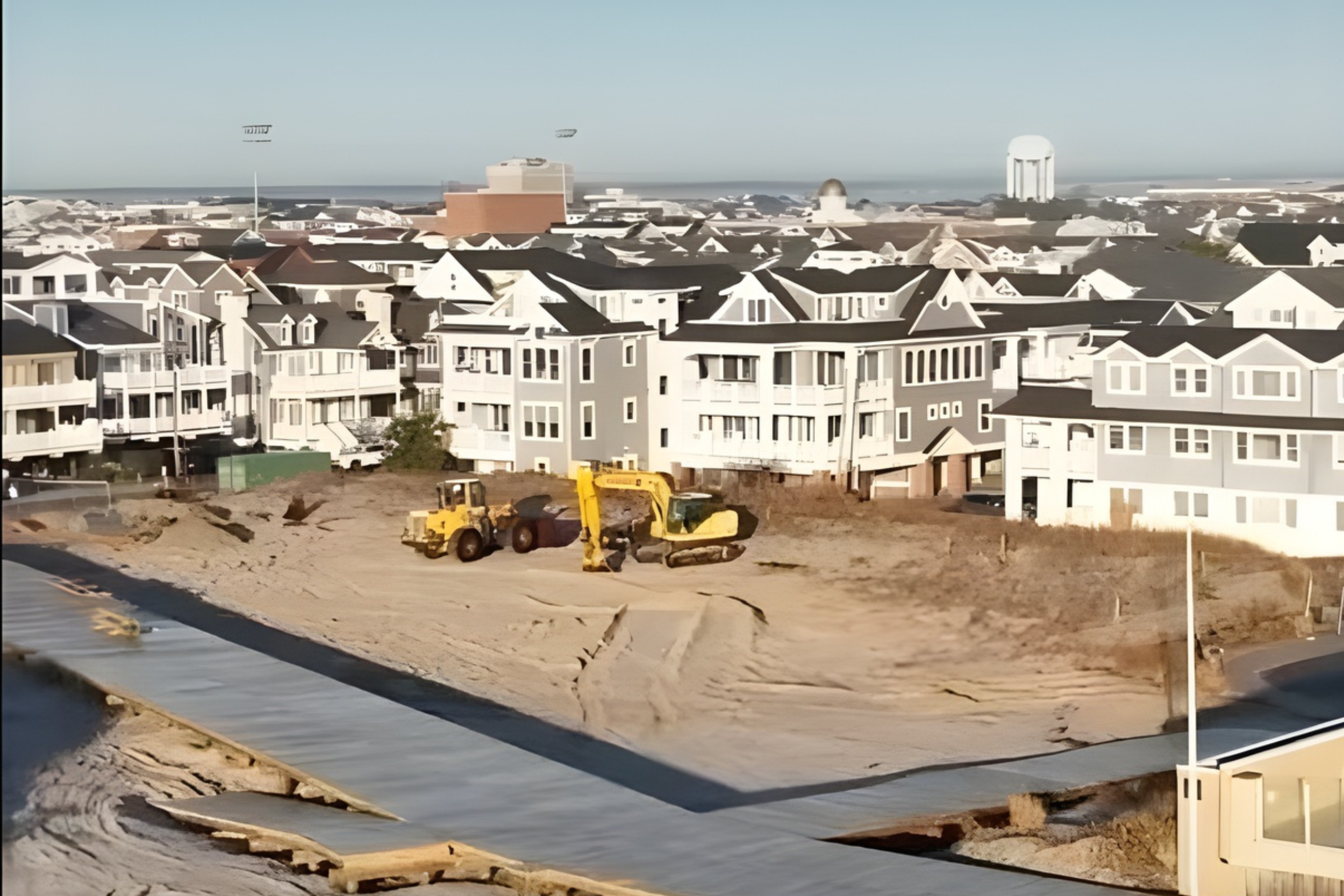
Sand stockpiling to protect eroding beaches
Beach erosion has become a growing issue, especially in the north end and downtown areas, where conditions have worsened since the last replenishment in 2022.
While federal funding is being pursued, the city is currently relying on interim solutions to protect both property and public access.
Why It Matters
This shift into maintenance mode isn’t just a municipal talking point—it reflects a broader stage in Ocean City’s lifecycle.
From a real estate standpoint, it signals:
A more stable infrastructure baseline
Fewer major disruptions from large-scale construction
Increased regulatory complexity for new builds and renovations
“As a local agent, I’ve seen how regulatory changes can reshape buyer decisions almost overnight,” especially in flood-prone areas where elevation requirements now play a major role in project feasibility.
“On the barrier islands, location drives everything. The right street can make all the difference,” said Mike Sutley, Team Leader at Lexy Realty Group.
With limited land, evolving regulations, and sustained demand, Ocean City continues to operate in a supply-constrained environment—something that tends to support long-term value.
Key Takeaways for Ocean City Residents
The city is transitioning from expansion to long-term maintenance
The 2026 budget includes a modest tax increase and reduced debt service
New flood regulations are already affecting zoning and construction
The upcoming election will shape how these policies are implemented
Boardwalk and beach infrastructure remain ongoing priorities
FAQ
Will new flood rules affect existing homes?
Only major renovations (over 50% of value) trigger the new elevation requirements.
Is Ocean City still investing in infrastructure?
Yes—projects are continuing, but the focus is now on maintenance rather than expansion.
Does the election impact development decisions?
Yes. Leadership elected in May 2026 will influence zoning, redevelopment, and infrastructure strategy.
Curious how these new flood rules or infrastructure changes could impact your Ocean City property?
You can call me directly, send a quick message, or visit my contact page to talk through your situation.
Sources: Patch; OCNJ.us; Ocean City Sentinel; Ocean City Zoning Board Agenda