Ocean City Boardwalk Zoning Review: What the Report Covers
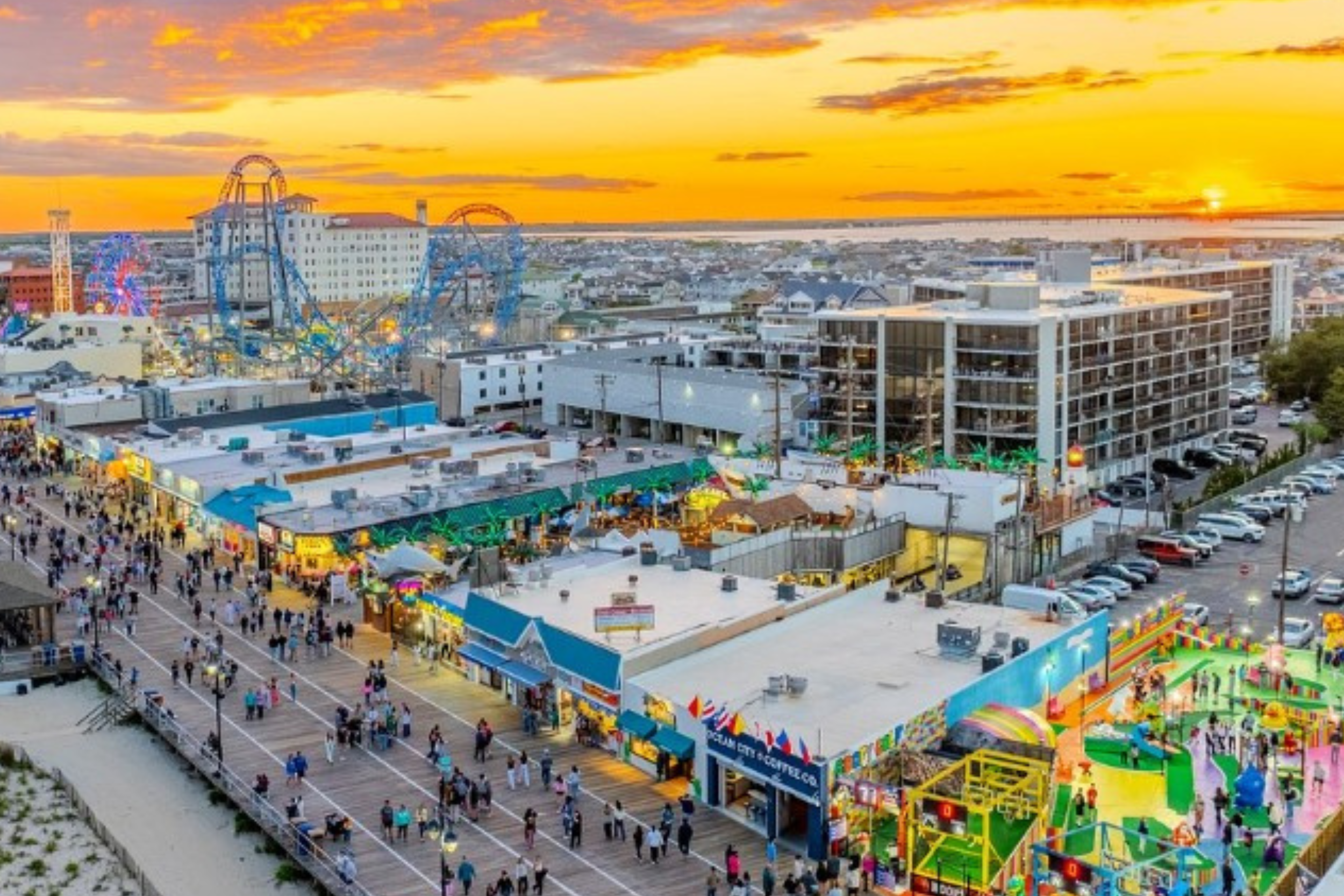
The Ocean City Boardwalk Sub-Committee released a “Report on Findings” dated February 7, 2026, and it’s worth reading as a snapshot of how the City is thinking about the boardwalk district right now.
According to the report, the stated goal is to evaluate and modernize zoning policies for the boardwalk district while preserving Ocean City’s family-oriented identity.
What the sub-committee says it did (and why that matters)
This isn’t framed as a final plan or a vote-ready package. It’s presented as a findings report built on a broad review of existing conditions.
According to the report, the sub-committee reviewed 33 data sets across multiple categories. The deck says those findings were organized around items like land use and economic indicators, along with other benchmarks.
That’s important because, when a city documents “existing conditions” at this level, it often becomes the backbone for whatever comes next—whether that’s zoning text changes, map changes, design standards, or a mix.
A concrete data point: Boardwalk business inventory
One of the most specific parts of the presentation is the inventory of boardwalk businesses.
According to the report, the boardwalk district includes 168 establishments, broken out as:
92 food
51 retail
25 entertainment
That mix matters because zoning debates on the boardwalk tend to revolve around the balance between experiences (entertainment), commerce (retail/food), and how those uses fit with pedestrian flow, deliveries, noise, hours, and crowd patterns.
Residential use: what the report flags
The report also mentions residential inventory within the on-boardwalk zone.
According to the presentation, there are 10 properties totaling 26 units in the on-boardwalk zone, while also stating that residential is not a permitted use there.
This is one of those details that can trigger follow-up questions from residents: how does the City treat “existing” residential units if the zone does not permit residential use? The answer usually sits in the difference between:
a permitted use (allowed by-right),
a nonconforming use (legal, but not permitted under current rules), and
an approved conditional use (allowed only with additional review/standards).
The report itself doesn’t resolve that question; it simply surfaces the current inventory and the stated zoning rule.
Zoning structure: references to a “Hospitality Zone”
The presentation includes excerpts describing permitted uses in zones such as a “Hospitality Zone,” along with other details on district regulations.
If you’re trying to follow the logic of potential future changes, this kind of zone naming is a clue. “Hospitality” tends to point to lodging-related uses, visitor services, and rules around how those uses operate in a commercial district.
The key is that the report, as summarized in the packet, reads like a framework-setting document rather than an adopted change.
Timeline: how the City frames “what’s next”
The report includes an “Estimated Timeline” broken into phases such as:
fact gathering,
issue spotting,
solution development, and
plan drafting/public review.
Even without exact dates, the structure signals intent: the City is describing a process that ends in public review, not a behind-closed-doors rewrite.
Why this matters to Ocean City homeowners and business operators
This isn’t a “market prediction” topic. It’s a governance and planning topic.
But zoning policy on the boardwalk can influence practical realities like:
what kinds of businesses can open,
what renovations are encouraged or constrained,
how deliveries/loading and parking requirements are handled,
and what the City defines as acceptable “character” for the district.
Those decisions ripple out to residents, visitors, and the broader local economy, even if the changes are narrowly written.
Key takeaways
The report is dated February 7, 2026, and is positioned as findings, not final action.
The sub-committee says it reviewed 33 data sets and organized findings across categories like land use and economic indicators.
It inventories 168 boardwalk establishments (92 food, 51 retail, 25 entertainment).
It notes 10 properties / 26 units of residential inventory in the on-boardwalk zone while stating residential is not a permitted use.
It references zoning constructs including a “Hospitality Zone,” and includes an estimated multi-phase path toward public review.
Micro-FAQ
Is this report a zoning change?
No. As described, it’s a findings report that sets up a process (fact gathering → solutions → drafting/public review).
Does this mean new development is approved?
Not by itself. A findings report is informational. Any zoning amendments would require a formal municipal process.
What should residents watch for next?
Based on the report’s timeline language, watch for drafts, public meetings, and any formal ordinance introductions tied to boardwalk zoning.
Sources: OCNJ.us