15 Questions Every Waterfront Buyer Should Ask Before Purchasing a Waterfront Home
Buying a waterfront home is different from buying a typical residential property.
The views may be better.
The lifestyle may be more appealing.
The boating access may be exactly what you're looking for.
But waterfront ownership also introduces considerations that many buyers don't encounter elsewhere.
One of the most common mistakes waterfront buyers make is focusing exclusively on the home itself while overlooking the waterfront infrastructure, environmental factors, and long-term ownership considerations that often influence value and enjoyment.
Before purchasing a waterfront property in Ocean City, Margate, Longport, Brigantine, Avalon, Stone Harbor, Sea Isle City, Cape May, or elsewhere along the Jersey Shore, here are 15 questions worth asking.
1. What Type of Waterfront Is It?
Not all waterfront properties offer the same experience.
The property may be:
Bayfront
Lagoon-front
Canal-front
Riverfront
Marina-adjacent
Each provides different views, boating access, maintenance considerations, and buyer demand.
2. How Good Is the View?
Views often influence value more than buyers initially realize.
Ask:
Is the water view wide or narrow?
Are sunsets visible?
Are sight lines protected?
Could future development impact the view?
Views are difficult, and sometimes impossible, to recreate.
3. What Is Known About the Bulkhead?
The waterfront edge is often one of the most important components of the property.
Ask:
Has the bulkhead been repaired?
Are records available?
Are there visible concerns?
Has it been professionally evaluated?
4. What Type of Dock Infrastructure Exists?
Dock usability varies dramatically.
Important questions include:
How large is the dock?
Is there a boat lift?
How many vessels can be accommodated?
Are improvements documented?
5. How Deep Is the Water?
Water depth can influence:
Boat size
Tidal access
Navigability
Depth should never be assumed based solely on appearance.
6. How Quickly Can You Reach Open Water?
Some waterfront locations provide almost immediate access.
Others may require significant navigation through canals and lagoons.
For frequent boaters, this can become an important quality-of-life factor.
7. Are There Bridge-Clearance Restrictions?
Bridge restrictions can affect:
Boat size
Vessel type
Navigation routes
This is especially important for buyers with larger boats.
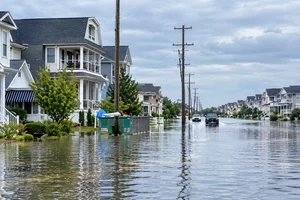
8. Is the Property Located in a Flood Zone?
Flood zones can influence:
Insurance requirements
Financing considerations
Ownership costs
Flood-related information should always be independently verified.
9. Is an Elevation Certificate Available?
Elevation information may help buyers better understand how the property compares to current flood mapping requirements.
Availability varies by property.
10. What Waterfront Maintenance Should Be Expected?
Every waterfront property involves maintenance.
Potential areas include:
Bulkheads
Docks
Boat lifts
Exterior finishes
Waterfront landscaping
Understanding these responsibilities helps create realistic ownership expectations.
11. How Exposed Is the Property?
Exposure can influence both comfort and maintenance.
Ask:
Is the location protected?
Does it experience significant wind?
Is it exposed to wave action?
These factors vary considerably between properties.
12. How Does the Property Compare to Nearby Waterfront Options?
One of the best questions buyers can ask is:
"Why is this property priced the way it is?"
Comparing nearby waterfront inventory often reveals important differences involving:
Views
Location
Dockage
Privacy
Infrastructure
13. Are There Waterfront Improvements That Add Value?
Not all improvements contribute equally.
Examples may include:
Updated bulkheads
New docks
Boat lifts
Waterfront entertaining areas
Buyers should evaluate whether improvements align with their intended use.
14. What Are the Long-Term Ownership Goals?
Different properties fit different objectives.
Some buyers prioritize:
Boating
Entertaining
Family gatherings
Investment potential
Retirement use
The best property is often the one that best matches long-term goals.
15. What Makes This Waterfront Location Unique?
This may be the most important question of all.
Every premium waterfront property usually possesses characteristics that are difficult to duplicate.
Those characteristics may include:
Views
Location
Water access
Lot orientation
Privacy
Scarcity
Understanding those advantages often helps buyers better evaluate long-term desirability.
What Buyers Commonly Overlook
Many waterfront buyers focus heavily on:
Kitchens
Bathrooms
Flooring
Interior finishes
While these features matter, they can usually be changed.
The waterfront characteristics often cannot.
That's why experienced waterfront buyers frequently evaluate the water before evaluating the house.
What Sellers Should Learn From This Checklist
The questions buyers ask often reveal what drives demand.
Sellers who proactively address these topics can reduce uncertainty and create greater confidence during the purchasing process.
The easier it is for buyers to understand a property's waterfront characteristics, the easier it becomes for them to evaluate value.
Market Takeaway
Waterfront ownership can be incredibly rewarding.
But waterfront purchases deserve a different level of due diligence than many traditional residential transactions.
Views, boating access, infrastructure, maintenance expectations, and environmental considerations all play important roles in the ownership experience.
The buyers who ask the right questions early are often the buyers who feel the most confident about their decisions years later.
FAQ
What is the most important thing to inspect on a waterfront property?
There is no single answer, but bulkheads, docks, water access, and overall waterfront infrastructure are often major areas of focus.
Should waterfront buyers hire specialized inspectors?
Depending on the property, buyers may choose to consult qualified professionals familiar with waterfront conditions and infrastructure.
Does every waterfront home require flood insurance?
Requirements vary based on financing, flood maps, regulations, and individual circumstances. Buyers should verify specifics with insurance professionals and lenders.
Are waterfront homes more expensive to maintain?
In many cases, waterfront ownership introduces additional maintenance considerations compared to non-waterfront properties.